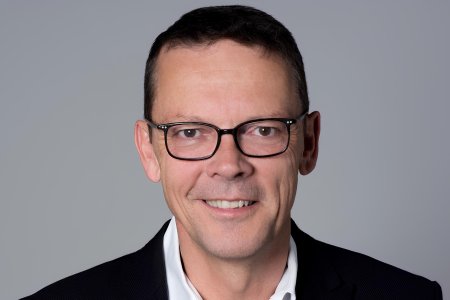
Inflation is back. In recent months, hardly any other topic has received more attention among economists or been so controversially discussed as the rise in prices in the Eurozone and the USA. In a major "Blick" interview, the Managing Director of the IWP, Dr. René Scheu, spoke with the German economist and IWP advisory board member Prof. Dr. Hans-Werner Sinn about the dangers of inflation and its trivialization.
Hans-Werner Sinn has little understanding for colleagues who downplay or sugarcoat the danger of inflation. He accuses the President of the European Central Bank, Christine Lagarde, of misinterpreting the situation. Lagarde recently referred to the medium-term inflation rate, which considers the development of the past twelve months and is only now approaching the ECB's inflation target of 2%. Given that inflation in the Eurozone is currently over five percent, Sinn simply calls this attitude a denial of reality.
To those economists who assume a temporary pandemic-related price increase, Sinn counters with the phenomenon of the wage-price spiral: If unions secure corresponding wage increases for employees due to rising prices, production costs continue to rise, and ultimately prices rise again—a vicious cycle is set in motion. Additionally, the general trend towards more expensive green energy is a driver of long-term price increases.
The great unknown, however, is the additional liquidity of 5,000 billion euros created by the ECB since the 2008 financial crisis, primarily through the purchase of government bonds. Banks can increase this amount to 20,000 billion euros through lending—in accordance with existing laws. If this money enters circulation, it will have unforeseeable consequences for the economy and society.
With regard to the consequences of inflation, Hans-Werner Sinn sees the Eurozone countries as the primary winners: If the inflation rate is higher than the interest rate at which a state has borrowed money, state debts miraculously melt away. He says: "Many heavily indebted states in the Eurozone secretly speculate on relief through inflation, and the ECB acts as an accomplice to politics, stubbornly sugarcoating things just to avoid having to brake."
«Many heavily indebted states in the Eurozone secretly speculate on relief through inflation, and the ECB acts as an accomplice to politics, stubbornly sugarcoating things just to avoid having to brake.»
On the other hand, it is the savers who suffer from the consequences of inflation. Sinn warns that it hits the "ordinary citizen" hardest: As prices rise, people on the street can buy fewer and fewer goods with their savings. If inflation persists for a long time, it will lead to a significant devaluation of assets.
Unlike the Eurozone, the situation in Switzerland is different. Inflation is low, and the Swiss franc is appreciating because it is highly sought after abroad. Purchasing power in Switzerland remains stable: "You are in an enviable position in Switzerland."
Read the full interview via the link. The shortened version, which appeared in print, can be found as a PDF.
The text is published here with the kind permission of Ringier AG.