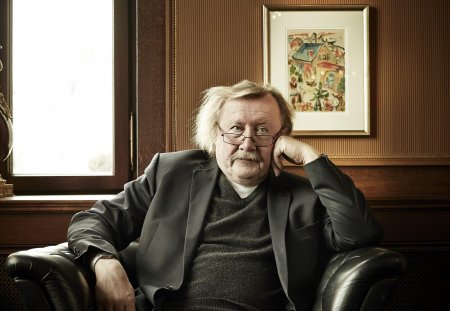
Nothing is as certain as death and taxes, once wrote Benjamin Franklin. But is that true? Wasn't there a world before taxes, and if so, how did taxes come into existence? The philosopher Prof. Dr. Peter Sloterdijk traces the eventful history of the fiscal state in a conversation with Dr. René Scheu, Managing Director of the IWP.
Taxes originated from the natural tributes that subjugated peoples in antiquity had to pay to their conquerors. In the Middle Ages, they became the feudal dues of vassals to their lords. It was only the monetary revolution of the 15th century in the trading cities of Italy that made taxes as monetary demands of the urban nobility a permanent institution. From the 16th century, major monarchies like Great Britain or France centralized financial administration under the crown.
Modern nation-states have begun to finance themselves solely through taxes. Their collection and especially their redistribution became a political tool, says Sloterdijk. To win over citizens, politics continuously expanded the welfare state. Today, the average government spending ratio worldwide is 50 percent, which is why Sloterdijk speaks of "semi-socialism on a property-based foundation." Why the expansion of the tax state has fostered a culture of envy rather than a work ethic among large parts of the population is explained by Peter Sloterdijk in the video.
Other topics of the conversation include:
- What the word tax actually means
- To what extent the American and French Revolutions were tax revolutions
- The transformation of taxes from a debt to the state to a gift to the community